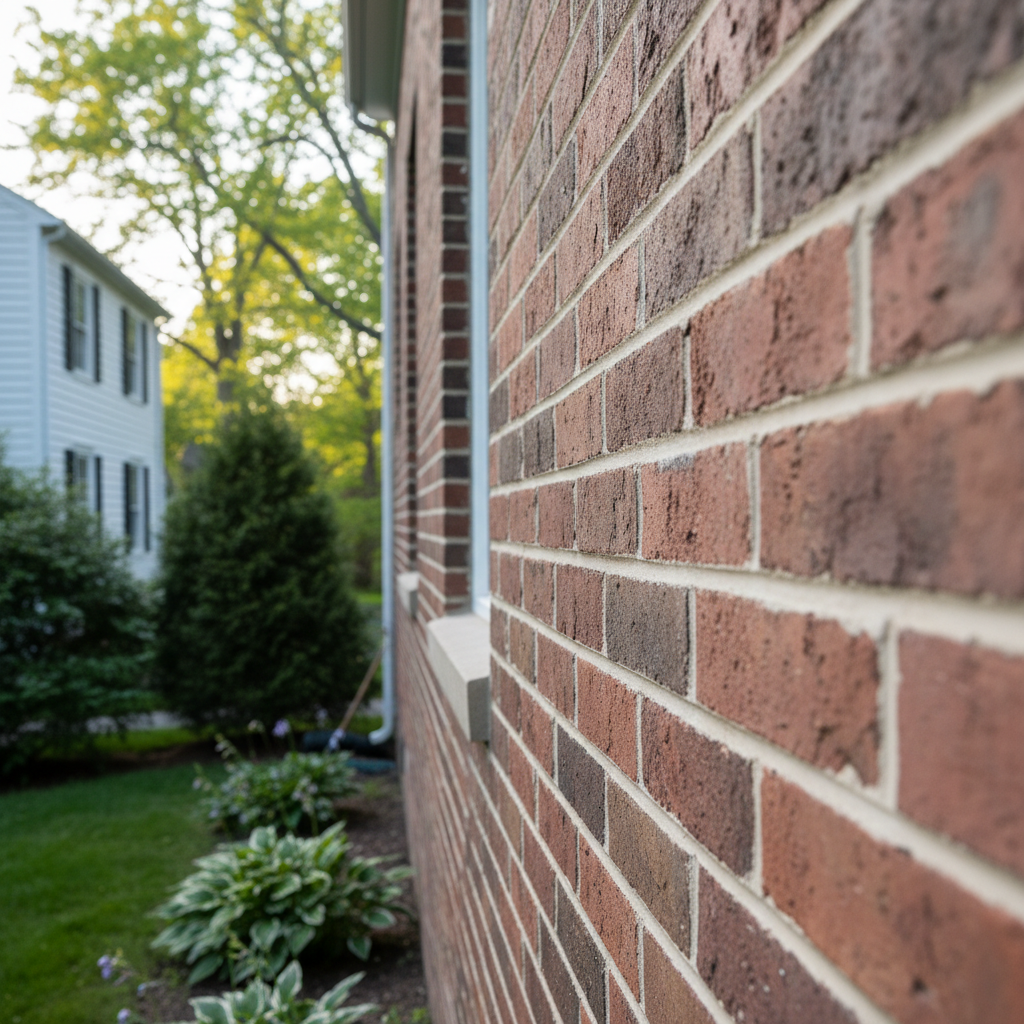
So, you've gone ahead and invested in tuckpointing for your home right here in Wellesley. That's a really smart move, if you ask me. It means you've tackled that crumbling mortar, shored up your brickwork, and honestly, you've added years to the life of your masonry. But the job isn't quite done just because the mortar's dry, is it? Think of it like buying a new car; you don't just drive it off the lot and forget about it, right? You've got to keep up with it. And the same goes for your tuckpointing.
Extending the Life of Your Tuckpointing
Here in New England, and especially around Wellesley, water is masonry's biggest enemy. Our freeze-thaw cycles? They're absolutely brutal. Water sneaks into tiny cracks, freezes, expands, and then thaws, leaving even bigger cracks behind. It's a relentless cycle, honestly. So, the absolute best thing you can do to make your tuckpointing last is to manage the water around your house.
- Keep Gutters Clean: This sounds super basic, I know, but you wouldn't believe how many problems I've seen start with just clogged gutters. Water overflows, runs right down your brick walls, and soaks the mortar. Clean them out, especially before winter hits.
- Proper Drainage: Make sure the ground around your foundation slopes away from the house. If water just pools near your brickwork, it's going to find a way in. Sometimes, a little regrading or even a French drain can make a huge difference.
- Avoid Power Washing: I get it, it's tempting to blast away dirt. But power washing can seriously mess up mortar, especially newer tuckpointing. It can erode the surface, push water deep into the masonry, and even knock out smaller pieces of mortar. Use a soft brush and a gentle rinse instead.
- Sealants (Use with Caution): Sometimes, a breathable masonry sealant can give you an extra layer of protection against water. But you really have to be careful here. Not all sealants are created equal, and some can actually trap moisture inside, which just causes more problems down the line. If you're thinking about one, chat with a pro like me at Valley Masonry Co. first. We can help you find the right product for your specific brick and mortar type.
Regular Maintenance Checks
You don't need to be a masonry expert to keep an eye on things. Just a quick walk around your house a couple of times a year, maybe in the spring after the snow melts and then again in the fall before winter really sets in, is usually enough. Here's what you should be looking for:
- Visual Inspection: Just glance at the mortar joints. Do they still look solid? Are they uniform?
- Check for Cracks: Small hairline cracks can pop up, especially in older homes as they settle. If they're tiny and don't seem to be growing, they might not be an immediate concern, but keep an eye on them anyway.
- Efflorescence: This is that white, powdery stuff you sometimes see on brick. It's just mineral salts left behind when water evaporates from the masonry. A little bit usually isn't a huge deal, but if there's a lot of it, you've got a significant moisture problem that needs to be sorted out.
- Deterioration Around Openings: Pay extra attention to areas around windows, doors, and where different materials meet. These are pretty common spots for water to sneak in.
Warning Signs That Something's Wrong
If you spot any of these, it's a pretty clear sign that your tuckpointing, or the masonry itself, needs some attention:
- Deep or Widening Cracks: If those hairline cracks start getting bigger, or if you see new, larger cracks appearing, that's a definite red flag.
- Crumbling or Sandy Mortar: If you can easily rub away mortar with your finger, or if it's visibly sandy and just falling out, it's lost its integrity.
- Loose Bricks: This is a big one. If bricks are wiggling or you can pull them out, the structural integrity is compromised.
- Spalling Bricks: This is when the face of the brick starts to flake off or peel. It's usually a sign of serious moisture issues, often from water getting trapped inside the brick and freezing.
- Persistent Efflorescence: As I mentioned, a little is okay, but if it's constantly reappearing or covering large areas, you've got a chronic water problem.
- Dark, Damp Patches: These can indicate water is consistently soaking into that area, which will only speed up deterioration.
When to Call a Professional
Look, I'm not going to tell you to call me for every speck of dust you see. But there are definitely times when you need an expert. If you spot any of the serious warning signs I just listed – deep cracks, crumbling mortar, loose bricks, spalling, or persistent dampness – don't wait. The longer you put it off, the more expensive the repair usually gets, believe me.
Also, if you're just not sure what you're looking at, or if you're uncomfortable getting up on a ladder to inspect higher areas, just give us a call. It's always better to have a professional eye on things, especially with our old New England homes. Many houses around the Wellesley Hills area, for example, have brick foundations that are over a hundred years old. They've seen a lot of winters, and keeping that mortar sound is absolutely key to the whole structure. We can assess the situation, tell you what's going on, and give you an honest recommendation. Sometimes it's a simple fix, sometimes it's a bigger job, but at least you'll know where you stand.
Taking care of your tuckpointing isn't just about how it looks; it's about protecting your home's structure and value. A little proactive attention really goes a long way in keeping your Wellesley home looking great and standing strong for years to come.