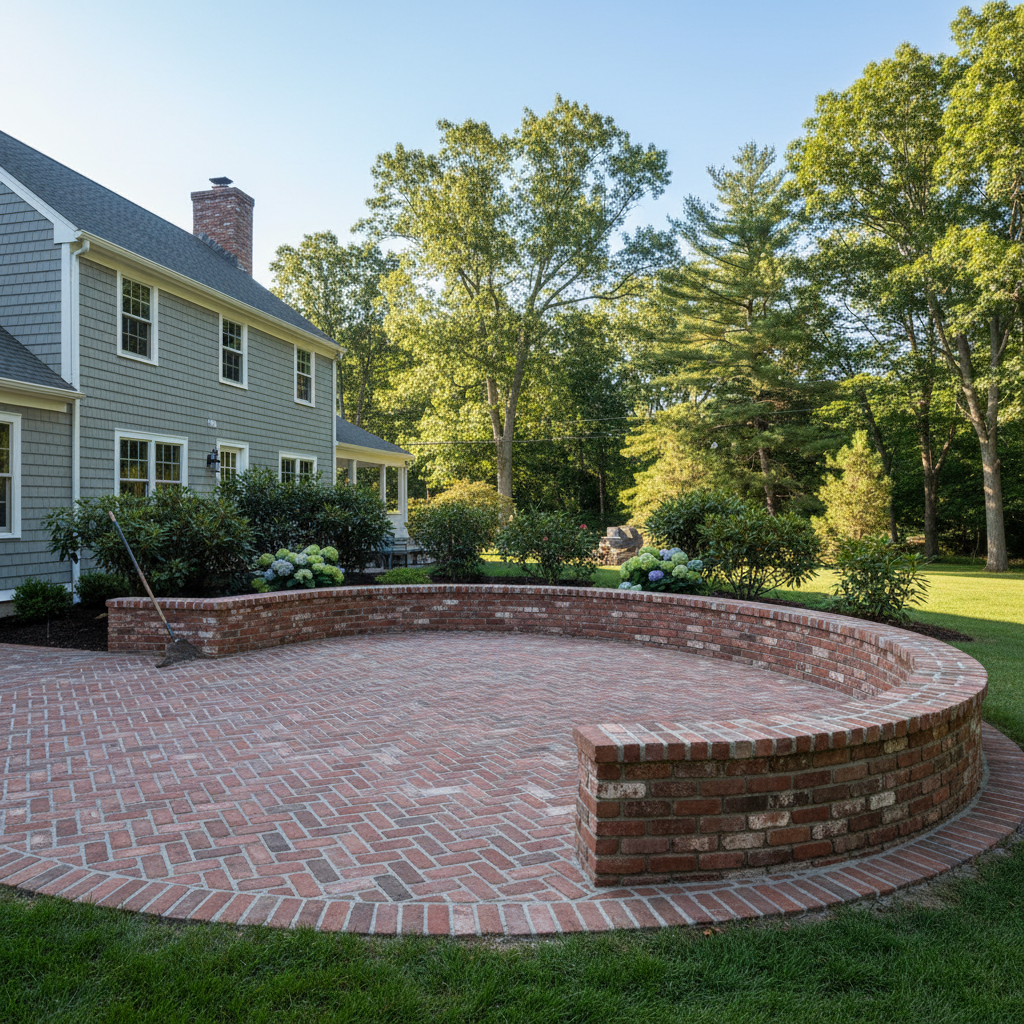
So, you're thinking about a brick project for your Wellesley home. Maybe it's a new walkway, a patio, or just some repairs to existing brickwork. That's a fantastic idea! Brick is classic, super durable, and when it's done right, it really adds something special to a property. But before you dive in, there's a bit of planning involved to make sure everything goes smoothly and you get exactly what you're hoping for. I've seen countless projects over the years, and I want to share some insights to help you get ready.
Setting Expectations: How Long Will This Take?
One of the first things homeowners always ask me is, "How long will this take?" It's a fair question, honestly, but the answer isn't always simple. A small repair job, like fixing a few loose bricks on a chimney or a garden wall, might only take a day or two. A new brick patio, however—especially one with intricate patterns or a lot of grading work—could easily take a week or more. Larger jobs, like a full brick facade restoration or a retaining wall, could stretch into several weeks.
Here's a general breakdown of what impacts the timeline:
- Project Scope: This one's obvious, right? A bigger project just takes longer.
- Material Availability: Sometimes, finding specific brick types, particularly if you're trying to match existing historical brick common in neighborhoods like Cliff Estates, can take some time. Don't underestimate this part.
- Weather: We are in New England, after all! Rain, snow, extreme cold, or even scorching heat can slow things down or stop work completely. Masons generally can't lay brick in freezing temperatures without special precautions, and nobody wants to work in a downpour.
- Crew Size: A larger crew can often get the job done faster, but that's something you'll want to discuss with your contractor.
- Permits: Depending on the size and nature of your project, you might need a town permit. This process alone can add weeks to your initial planning, so factor that in early.
Always ask your contractor for a realistic timeline, including any potential delays. A good contractor will be upfront about this sort of thing.
What Happens During the Project?
Once you've picked your contractor and the project is underway, here's a general idea of what you'll see happening:
- Site Preparation: This is where we get the area ready. It might involve digging for a new patio base, demolishing old, failing brickwork, or clearing out vegetation. Expect some noise and dust during this phase, for sure.
- Material Delivery: Bricks, mortar, sand, gravel – all these materials will arrive on site. We try to keep things tidy, but there will be piles.
- Laying the Brick: This is the main event. You'll see the masons carefully laying bricks, mixing mortar, and shaping the joints. It's a craft, and it takes time to do it right.
- Cleanup: Once the brickwork is complete, we'll clean up the site, remove debris, and make sure everything is tidy. We'll also do a final wash-down of the brickwork to remove any mortar haze.
During the project, expect some level of disruption. There will be tools, materials, and people on your property. We always do our best to minimize inconvenience, but it's important to be prepared for it. Communication is key; if you have concerns, talk to your project manager or lead mason.
How to Prepare Your Property
Before the crew shows up, there are a few things you can do to make the process smoother for everyone:
- Clear the Area: Move any outdoor furniture, planters, grills, or anything else from the work zone. If we're working near your house, clear anything around the foundation.
- Protect Valuables: If you have delicate plants, garden ornaments, or anything you don't want to get dusty or damaged, move it or cover it.
- Provide Access: Make sure there's clear access for our trucks and equipment. If we need to get to a specific area, ensure gates are unlocked and paths are clear.
- Talk to Your Neighbors: Especially for larger projects, it's a good idea to give your immediate neighbors a heads-up about potential noise or increased traffic from delivery trucks.
- Plan for Utilities: If we're digging, make sure you know where any underground sprinkler lines, electrical conduits, or other utilities are. It's always a good idea to call Dig Safe (811) before any excavation begins.
Key Questions to Ask Before Signing a Contract
Before you commit to a contractor, make sure you're comfortable with them and that all your questions are answered. Here are some crucial ones:
- Can I see your license and insurance? Absolutely essential. Make sure they're properly licensed and insured for liability and workers' compensation.
- Do you provide a written contract? Never proceed without one. It should detail the scope of work, materials, timeline, payment schedule, and warranty.
- What kind of warranty do you offer on your work? A reputable contractor, like Valley Masonry Co., will stand behind their craftsmanship.
- How do you handle changes or unforeseen issues during the project? Things can come up. You want to know how they'll communicate and cost out any changes.
- What's your payment schedule? Typically, there's an upfront deposit, progress payments, and a final payment upon completion. Be wary of contractors asking for a very large percentage upfront.
- Can you provide references from recent projects? And actually call them! Ask about communication, adherence to timeline, and quality of work.
- Who will be my main point of contact during the project? You need to know who to talk to if you have questions or concerns.
- How do you manage site cleanup and debris removal? Confirm that they'll leave your property as clean as they found it, if not cleaner.
Taking the time to plan and ask these questions upfront will save you a lot of headaches down the road. A good brick project adds value and beauty to your Wellesley home for decades, and getting it right from the start is half the battle.