Do I really need a chimney liner? My old fireplace doesn't have one.
You absolutely do. It's not just a nice-to-have; it's a critical safety component, especially for older homes around Wellesley Hills or anywhere else in town. Many older fireplaces were built without liners, or with clay tile liners that have degraded over time. When you burn wood, you're creating hot gases, creosote, and sometimes sparks. A proper chimney liner contains all that, protecting the masonry chimney walls from heat transfer that could ignite nearby combustible materials in your home's structure. It also prevents corrosive byproducts from damaging the mortar joints, which can lead to structural issues and allow carbon monoxide to seep into your living space. We typically recommend stainless steel liners for their durability and safety.
What's the difference between a masonry fireplace and a factory-built one?
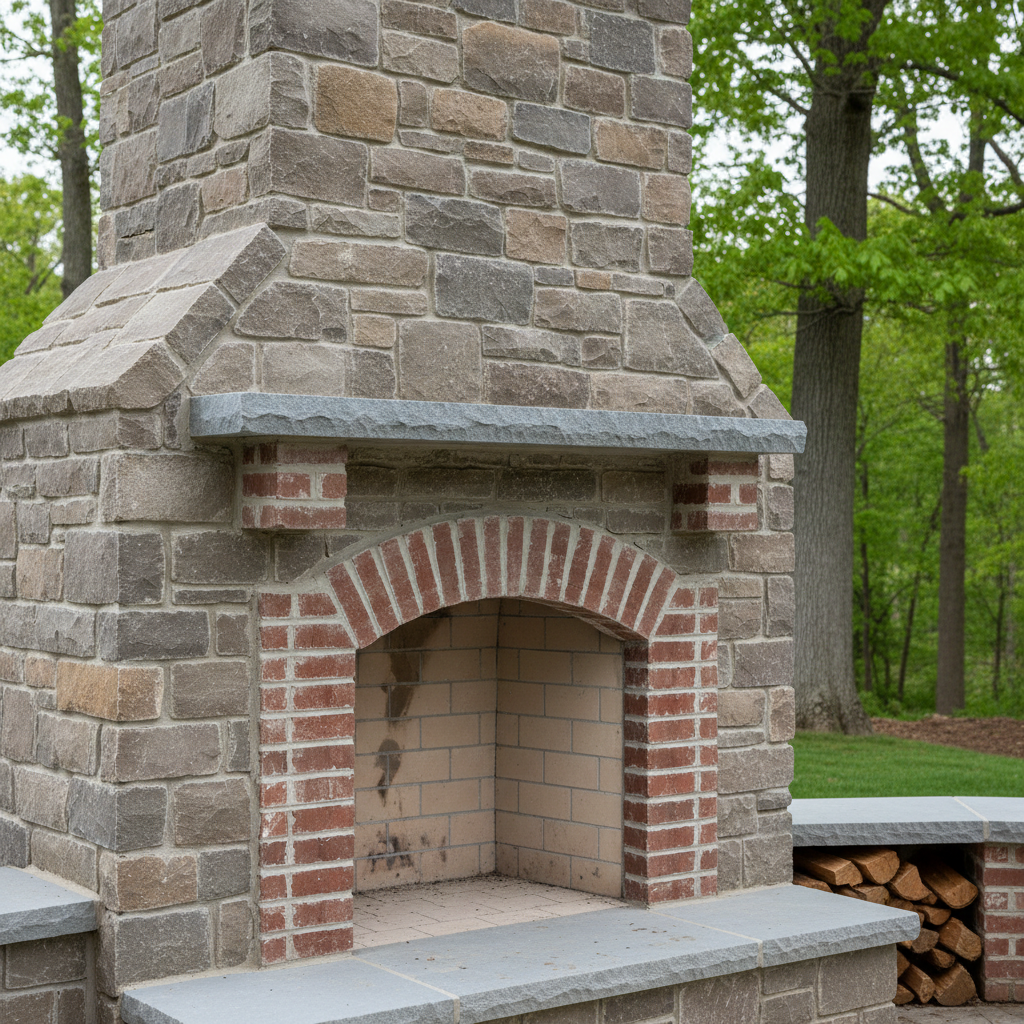
This is a big one, and it comes down to how they're constructed and what they're made of. A masonry fireplace is built on-site, brick by brick, stone by stone, by a skilled mason like us at Valley Masonry Co. It's a permanent, structural part of your home, often with a full brick or stone chimney extending through the roof. They're incredibly durable, can last for centuries with proper maintenance, and offer that classic, substantial look and feel. Factory-built, or pre-fabricated, fireplaces are manufactured in a factory and then installed in your home. They're typically made of metal, are lighter, and often use a metal flue system rather than a traditional masonry chimney. They're generally less expensive to install and can be a good option if space or budget is a major concern, but they have a shorter lifespan and don't offer the same thermal mass or aesthetic as a true masonry unit. You'll often see factory-built units in newer construction or additions.
How long does it take to build a new masonry fireplace?
That's not a quick answer, because it depends a lot on the size, complexity, and whether we're talking about an indoor or outdoor unit. For a standard indoor masonry fireplace and chimney, from foundation to cap, you're usually looking at anywhere from three to six weeks. This isn't just about the bricklaying; it includes foundation work, framing, inspection stages, curing times for mortar, and then the finishing work like the hearth and mantel. Outdoor fireplaces can sometimes be quicker if they're simpler designs, but a full outdoor kitchen with a fireplace and oven could take just as long, if not longer. We always give a detailed timeline after we've seen the site and discussed your specific project.
Can I convert my wood-burning fireplace to gas, or vice-versa?
Yes, you absolutely can, and it's a fairly common request. Converting a wood-burning fireplace to gas usually involves installing a gas line and either a gas log set or a gas insert. This is generally a straightforward process, but you'll still need to ensure your chimney is clean and structurally sound, even if you're not burning wood, as it still vents combustion byproducts. Converting from gas to wood is more involved. If you have a factory-built gas fireplace, it's usually not designed for the higher temperatures of wood burning, so you'd likely need to replace the entire unit with a wood-burning rated one. If you have a masonry gas fireplace that was originally built for wood, we'd need to inspect the flue thoroughly, make sure the damper is in good shape, and ensure it meets all current safety codes for wood burning. It's not just about throwing logs in; safety is paramount.
What kind of maintenance does a masonry fireplace need?
Regular maintenance is key to both safety and longevity. First off, you need annual chimney inspections and cleanings. Creosote buildup is a fire hazard, plain and simple. Even if you don't use it much, an annual check is smart. Beyond that, keep an eye on the exterior masonry. Here in Wellesley, with our freeze-thaw cycles, mortar joints can deteriorate over time. You might see cracks or crumbling mortar; that's when you need repointing. The chimney cap and crown are also crucial. A good cap keeps rain, snow, and critters out, preventing water damage inside the chimney. The crown diverts water away from the flue. If either of those are damaged, you're looking at potential water infiltration, which can cause significant damage to the chimney structure and even your home. We're always happy to come out and give your chimney a thorough check-up.
Why do I sometimes smell smoke in my house when the fireplace isn't in use?
That's a common complaint, and it's usually due to one of a few things. Sometimes it's a downdraft, where cold air is pushing down the chimney, bringing the lingering smell of creosote with it. This can be exacerbated by negative pressure in your house, often caused by exhaust fans (like in your kitchen or bathroom) pulling air out and creating a vacuum that sucks air down the chimney. Another culprit could be a dirty chimney; creosote has a distinct, strong smell, and if there's a lot of it, you'll notice. Humidity can also make the smell more pronounced. A good cleaning can often solve it. If not, we might look at things like a top-sealing damper, which provides a much tighter seal than a traditional throat damper, or even addressing overall home pressure dynamics. It's not something you should just live with, because it points to an issue that needs fixing.