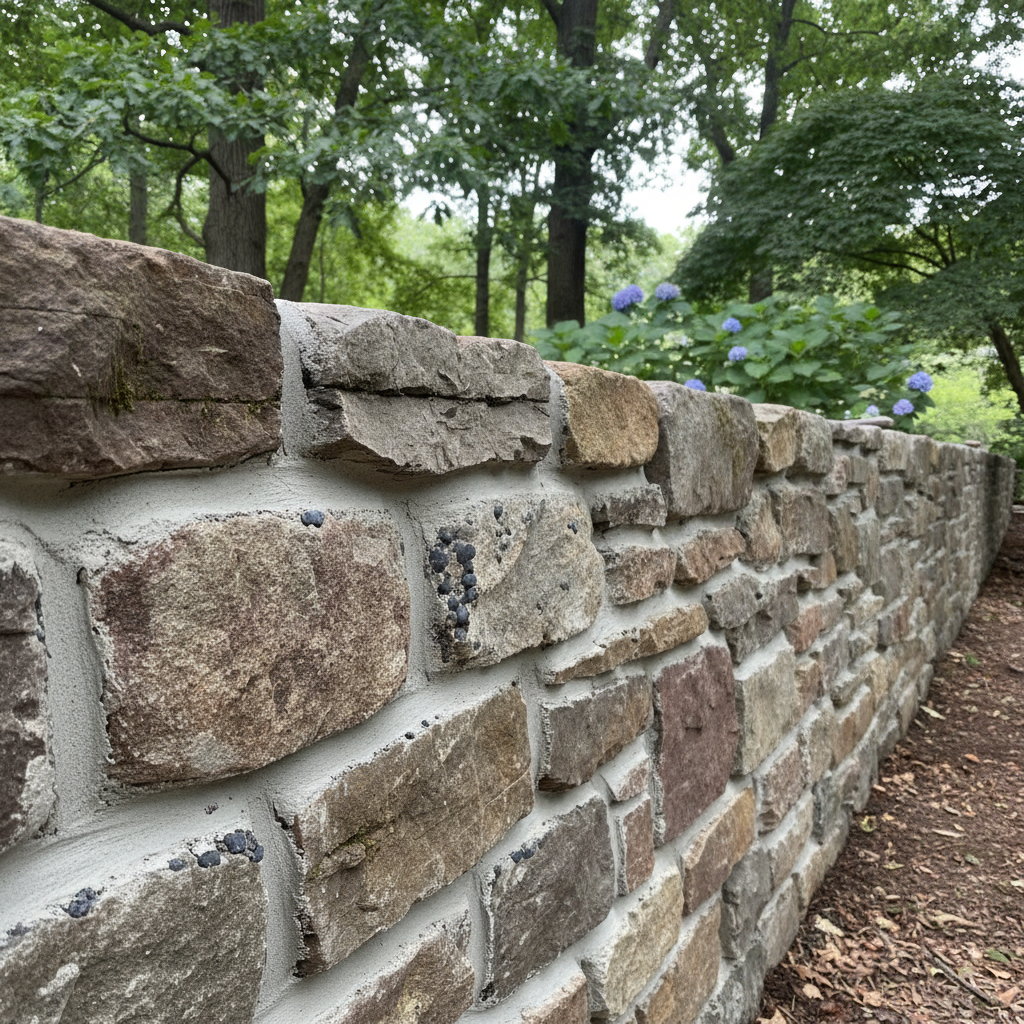
Spotting the Trouble: What to Look For
You've got masonry all over your Wellesley home – brick, stone, concrete, you name it. And over time, especially with our classic New England winters and those notoriously wet springs, it's definitely going to show some wear. You might start noticing things like crumbling mortar joints, maybe some loose bricks or stones, tiny hairline cracks in concrete, or even efflorescence – that chalky, white stuff on the surface. Don't panic, but seriously, don't ignore it either. Small problems have a nasty habit of turning into big, expensive ones if you just let them sit.
Before you even think about fixing anything, you really need to take a good, hard look at the damage. Is it just a tiny crack, or is a whole chunk of mortar falling out? Is it one wobbly brick, or are several courses shifting? The extent of the damage will tell you a lot about whether you can handle it yourself or if it's time to call in someone like us at Valley Masonry Co.
DIY Masonry Repairs: What You Can Realistically Do
Alright, so you've found a few minor issues. There are definitely some things a handy homeowner can tackle. We're talking small, isolated problems here. Here's what I'd say is fair game for most folks:
- Patching Small Cracks in Concrete: If you've got a hairline crack in a concrete walkway or patio, you can usually clean it out really well, apply some concrete crack filler, and smooth it over. Just make sure the crack isn't getting wider or longer, because that could point to a bigger structural issue.
- Replacing a Single Loose Brick or Stone: If one brick in your garden wall or a single paver in your patio is wobbly, you can often pull it out, clean up the old mortar or sand, and then reset it with fresh material. It takes a bit of patience to get it level, but it's totally doable.
- Minor Mortar Joint Repair (Tuckpointing Small Areas): Let's say you have just a few inches of crumbling mortar in a spot that isn't structural – maybe a small section of a chimney cap or a decorative wall. You can carefully chip out the old stuff and put in new mortar. This is where you'll learn how to use a pointing trowel, by the way. It's tough to get it looking absolutely perfect, but for a small, out-of-the-way spot, give it a shot.
- Cleaning Efflorescence: That white powdery stuff? It's usually pretty harmless, just mineral salts. Often, you can clean it right off with a stiff brush and water, or a specialized masonry cleaner if it's really stubborn. Just be sure to follow the product directions carefully.
For any of these DIY jobs, preparation is key. Clean the area really, really well. Get the right tools – a cold chisel, hammer, wire brush, pointing trowel, safety glasses, and good gloves are non-negotiable. And always, always read the instructions on the products you're using. Mortar isn't just mortar; there are different types for different applications, you know?
When to Call a Professional: Don't Risk It
Now, this is where I get serious. There's a pretty clear line between a DIY fix and a job that absolutely needs a pro. If you see any of these, don't even think about doing it yourself:
- Widespread Mortar Deterioration: If more than 10-15% of your mortar joints are crumbling, especially on a wall that's holding up your house or your chimney, that's a big job. You need consistent mortar mixes and proper techniques to keep things structurally sound and stop water from getting in. This is definitely not a weekend project.
- Large or Deep Cracks: Cracks that are wider than a quarter-inch, or that go through several bricks or stones, often point to foundation movement, settling, or water damage. Patching these yourself is like putting a band-aid on a broken bone. You need an expert to figure out the root cause and fix it properly.
- Bulging or Leaning Walls: This is a serious structural issue. If a brick wall is bowing outwards or leaning, it's a hazard, plain and simple. You need an experienced mason to assess the situation and likely rebuild or reinforce it.
- Water Penetration: If you're seeing water stains on interior walls where masonry is on the outside, or if your basement is getting wet because of exterior masonry problems, that's a job for a professional. Water finds the path of least resistance, and making masonry truly waterproof is an art.
- Chimney Repairs: Your chimney is constantly exposed to the elements, and it's a critical part of your home's safety. Flashing issues, spalling bricks, or a crumbling crown are all serious. Don't mess around with your chimney; it's too important for proper ventilation and fire safety. Plus, working on a roof isn't for everyone.
- Historical or Intricate Masonry: If your Wellesley home has older, unique brickwork or stone, especially common in some of the older estates around town, you need someone who understands historic preservation and can match materials and techniques. You really don't want to devalue your home by using the wrong stuff.
When in doubt, get an opinion. Most reputable masonry contractors, including us, will come out and give you an estimate and tell you honestly what they think needs to be done. It's better to pay for an assessment than to mess up a repair and then have to pay even more to fix your fix.
After the Repair: Maintenance Matters
Whether you did a small DIY patch or hired Valley Masonry Co. for a big restoration, maintenance is key to making those repairs last. Keep an eye on the repaired areas. Look for new cracks, crumbling, or discoloration. Keep your gutters clean and make sure downspouts are directing water away from your foundation. Proper drainage is probably the single biggest factor in preventing masonry damage in our climate, after all.
Periodically clean your masonry. A gentle wash with a hose and a soft brush can remove dirt and grime that can hold moisture. And if you notice any small issues popping up again, address them quickly. Catching problems early is always cheaper and easier than waiting until they become major headaches. Your masonry is a huge part of your home's structure and curb appeal, so treat it well.