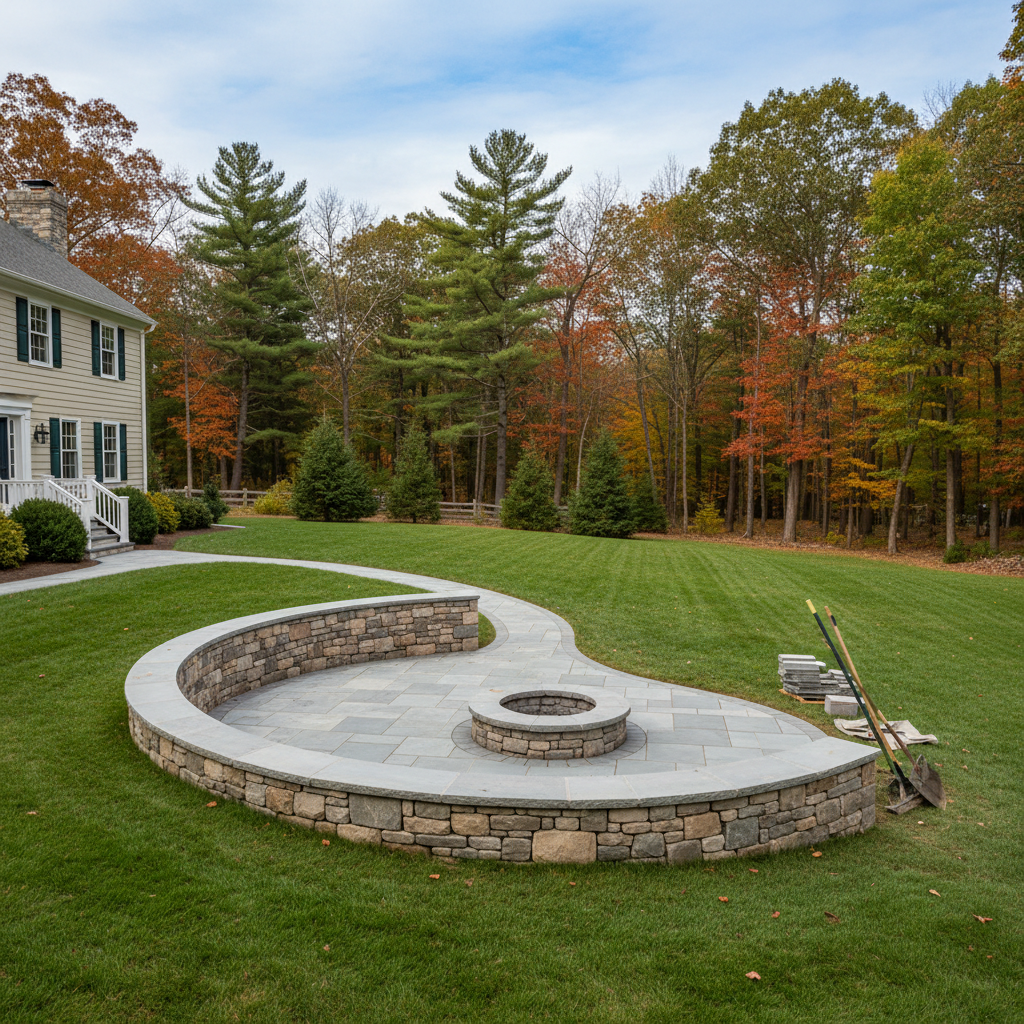
When's the Best Time for Masonry Work Around Here?
I get this question a lot: "When's the best time to build that retaining wall or fix my chimney?" And it's a good one, especially living here in Wellesley. Our New England weather isn't exactly predictable, and it plays a huge role in how masonry projects turn out and how long they last. You can't just slap mortar on brick when it's freezing, or expect a new patio to cure right in a downpour.
Generally, I tell folks that spring, late summer, and fall are your sweet spots. Spring, once the ground thaws and we're past those really cold nights, is fantastic. The temperatures are mild, and there's usually enough moisture in the air to help mortar cure properly without drying out too fast. Late summer, after the intense heat of July but before the chill of late October, is also prime time. The ground is dry, and the days are still long enough for us to get a lot done.
Fall, before the deep freezes set in, is another excellent window. The cooler temperatures are ideal for working with mortar and concrete, as they prevent rapid drying and cracking. You want to avoid those first hard frosts if you're pouring concrete or laying brick. Mortar needs to cure at temperatures above freezing, usually around 40°F (4°C) or higher, for at least 24 to 72 hours, depending on the mix. If it freezes too soon, the water in the mix expands, creating tiny cracks that weaken the whole structure. That's why we're always watching the forecast like hawks.
What Weather Really Messes with Masonry?
So, what weather conditions are we trying to avoid? A few big ones:
- Freezing Temperatures: This is the big one. As I said, water in mortar and concrete expands when it freezes. If that happens before the material has properly cured and gained strength, you're looking at a weak, crumbly mess down the road. We can use special cold-weather admixtures and blankets, but it's always better to avoid it if possible.
- Extreme Heat: On the flip side, really hot, dry weather can also be a problem. If it's too hot, the water in the mortar or concrete evaporates too quickly. This can lead to premature drying, which means the material doesn't reach its full strength and can crack. We might mist the area or cover it to slow down the drying process, but again, moderation is key.
- Heavy Rain: You don't want a fresh pour or newly laid bricks getting washed out. Rain can dilute the mortar mix, weaken its bond, and even wash away cement before it sets. We'll always tarp off a work area if rain is expected, but it's definitely a factor in scheduling.
- High Winds: Wind can accelerate drying, especially in hot weather, leading to the same issues as extreme heat. It can also kick up dust and debris, which isn't ideal for a clean finish.
Here in Wellesley, with our clay-heavy soils in some areas like the Fells, proper drainage is always a consideration. If we're doing foundation work or a retaining wall, we're not just thinking about the air temperature, but also how much moisture the ground is holding, especially after a wet spring.
Protecting Your Investment Year-Round
Once your masonry project is done, how do you keep it looking good and performing well for decades? It's not rocket science, but a little regular attention goes a long way.
- Keep an Eye Out: Periodically walk around your property and inspect your masonry. Look for cracks, crumbling mortar, or any signs of water damage. Catching these things early saves you a lot of money and hassle down the line.
- Manage Water: This is probably the most crucial thing. Make sure your gutters are clean and directing water away from your foundation. Downspout extensions are cheap insurance. Pooling water around your chimney base or foundation is a recipe for disaster.
- Clean Gently: If you need to clean brick or stone, start with plain water and a soft brush. Avoid high-pressure washers on older or delicate masonry, as they can damage mortar joints or the stone itself. Harsh chemicals are usually a no-go too.
- Sealants (Sometimes): For some applications, like a new patio or walkway, a breathable sealant can offer an extra layer of protection against water penetration and staining. It's not always necessary, and it depends on the material, so talk to a pro like us at Valley Masonry Co. before you just spray something on.
- Trim Vegetation: Keep bushes and trees trimmed away from your masonry. Roots can damage foundations, and foliage can trap moisture against walls, leading to moss growth and deterioration.
Taking care of your masonry isn't just about aesthetics; it's about protecting the structural integrity of your home. A little vigilance now can prevent major repairs later. If you've got questions or see something that doesn't look right, don't hesitate to give us a call. We're always happy to take a look.