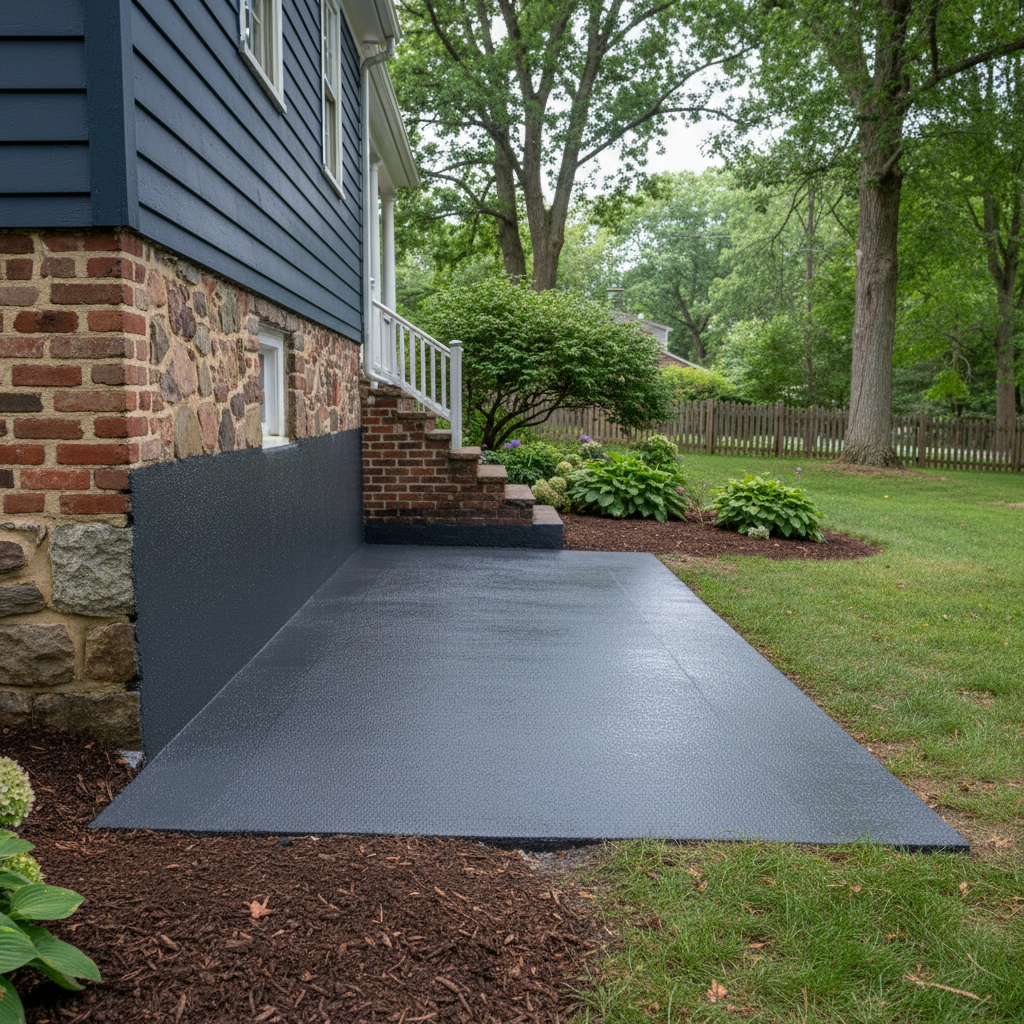
Is masonry naturally waterproof? I thought brick and stone were tough.
That's a really common question, and honestly, I hear it all the time. While brick, stone, and mortar are super durable materials, they're not naturally waterproof like, say, a sheet of glass. They're porous, you see. Imagine a sponge, but a really, really dense one. Over time, water can and will get into masonry, especially with our wild New England weather. Rain, snow, ice, even just humidity — it all gets absorbed. This isn't usually a big deal if the masonry can dry out quickly. But when water gets trapped, or when it freezes and thaws, that's when you start seeing real problems. Things like spalling, efflorescence, or even structural damage. So, no, it's not naturally waterproof, and that's exactly why we talk about 'waterproofing' or, more accurately, 'water repellency' for masonry.
What's the difference between waterproofing and water repellency for masonry?
Good question, because people often use those terms interchangeably, and they're definitely not the same thing. 'Waterproofing' usually means creating a completely impermeable barrier, something that totally blocks water. For masonry, that's generally not what you want at all. If you put a fully waterproof coating on brick or stone, you're actually trapping any moisture that's already inside the wall, or any that gets in from the back (like a leaky pipe inside your house, for instance). That trapped moisture can cause more problems than it solves, leading to deterioration from the inside out. What we're really aiming for with masonry is 'water repellency.' This means applying a product that lets the masonry breathe — vapor can still escape — but stops liquid water from getting in. Think of it like a rain jacket for your house. It sheds the water but doesn't make you sweat inside.
How can I tell if my masonry needs waterproofing? What are the signs?
You don't need to be a masonry expert to spot the warning signs, thankfully. The most obvious one is efflorescence, that white, powdery stuff you sometimes see on brick or stone. That's just mineral salts left behind after water has seeped through the masonry and evaporated. Another big one is spalling, where the face of the brick or stone starts flaking off. That's a classic sign of freeze-thaw damage. You might also notice crumbling mortar joints, or even damp spots on interior walls that line up with exterior masonry. If you see moss, mildew, or algae growing on your masonry, especially in areas that don't get much sun, that's another sign of too much moisture. Sometimes, you can even just spray a section with a hose; if the water immediately soaks in and darkens the masonry, it's probably pretty porous and could use some attention.
What kind of products do you use for masonry water repellency? Are they all the same?
Definitely not all the same. There's a whole range of products out there, and picking the right one depends on the type of masonry, its current condition, and what you're trying to achieve. Generally, we're looking at clear, penetrating sealers. These aren't like paints; they soak into the masonry's pores and react chemically to create a water-repellent barrier. The best ones are silane or siloxane-based. They don't change how your brick or stone looks, which is a huge deal for people with historic homes or specific aesthetic preferences. You want something that breathes, stands up to UV rays, and is tough enough for our harsh Wellesley winters. There are also sacrificial coatings, which wear away over time and need reapplication, but those are less common for general home waterproofing. We always avoid anything that forms a film on the surface, as those tend to peel, crack, and trap moisture.
Will waterproofing fix existing leaks or cracks in my foundation or chimney?
Here's where I need to be really clear: water repellency is a preventative measure, not a repair. If you've got existing leaks or cracks, especially in your foundation or chimney, those need to be fixed directly first. Think of it this way: you wouldn't put a rain jacket on someone with a broken arm and expect the jacket to fix the bone, right? Same goes for masonry. Cracks in mortar joints need repointing. Bigger cracks in brick or stone might need patching or even replacement. Foundation cracks require specialized repair to stop water from getting in. Once those structural issues are taken care of, then applying a water repellent can help protect the newly repaired areas and the rest of your masonry from future water damage. It's part of a complete maintenance plan, not a standalone fix for active leaks.
How often does masonry need to be re-waterproofed in Wellesley?
That depends on a few things: the quality of the product we use, the type of masonry, and how much exposure it gets to the elements. Generally, a good quality, penetrating silane/siloxane sealer can last anywhere from 5 to 15 years, sometimes even longer. Areas that get a lot of direct sun, wind, and rain — like a south-facing chimney or a wall that's constantly getting hit by runoff — might need attention sooner. For example, a lot of the older homes in the Dana Hall area, with their classic brick facades, might have original masonry that's getting pretty porous. I usually tell homeowners to keep an eye on their masonry every few years. If you start seeing those signs of efflorescence or water absorption again, it's probably time to think about reapplying. It's a lot like painting your house; it's not a one-and-done deal, but it's a critical part of protecting your investment. Valley Masonry Co. can always come out and give you an honest assessment.